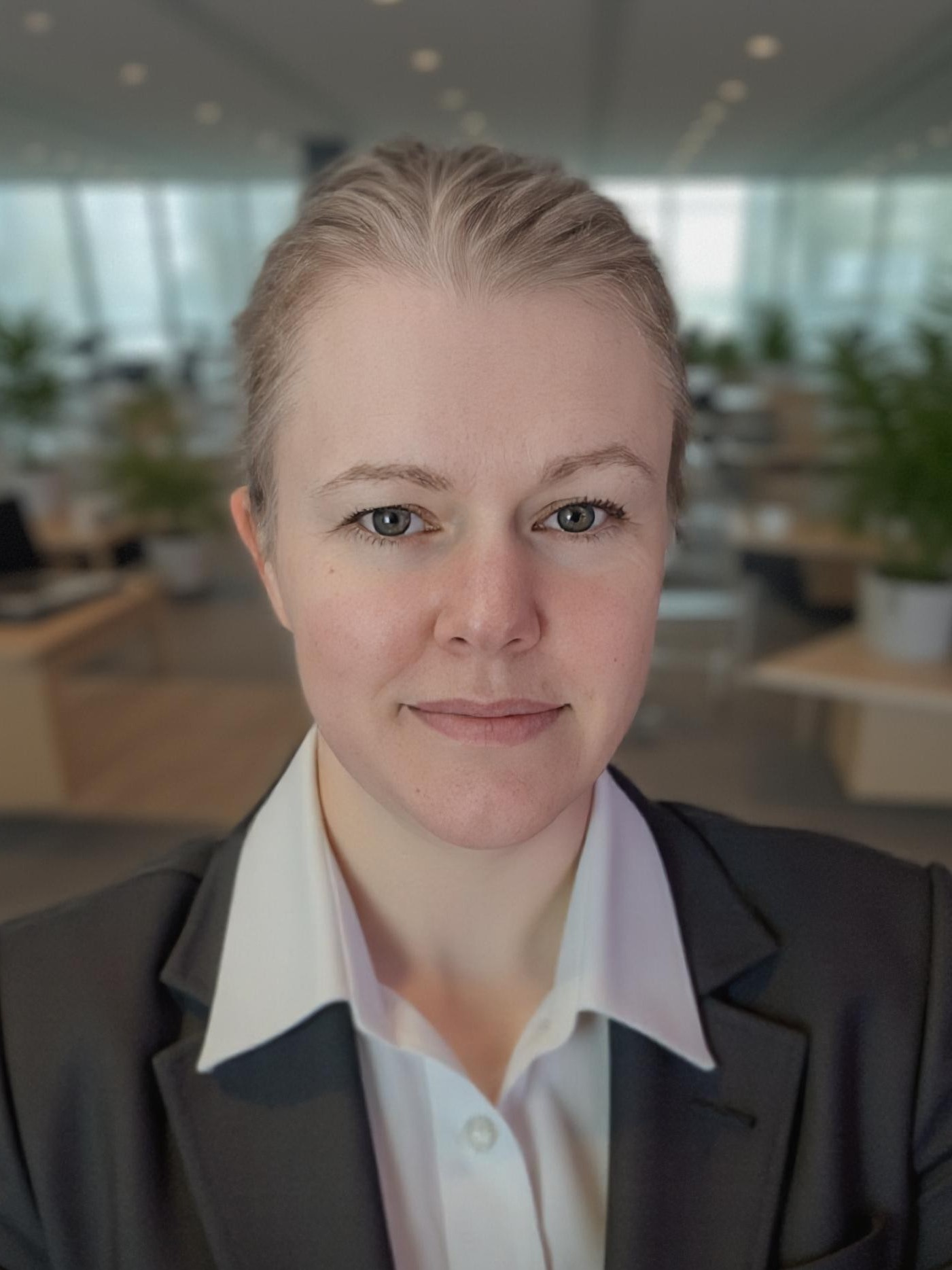
Dr. Sarah J. Bolton

Assistant Professor, Department of Computer & Cyber Sciences · United States Air Force Academy

Director, Academy Center for Cyberspace Research (ACCR) 24 years of U.S. Air Force service (officer & enlisted)

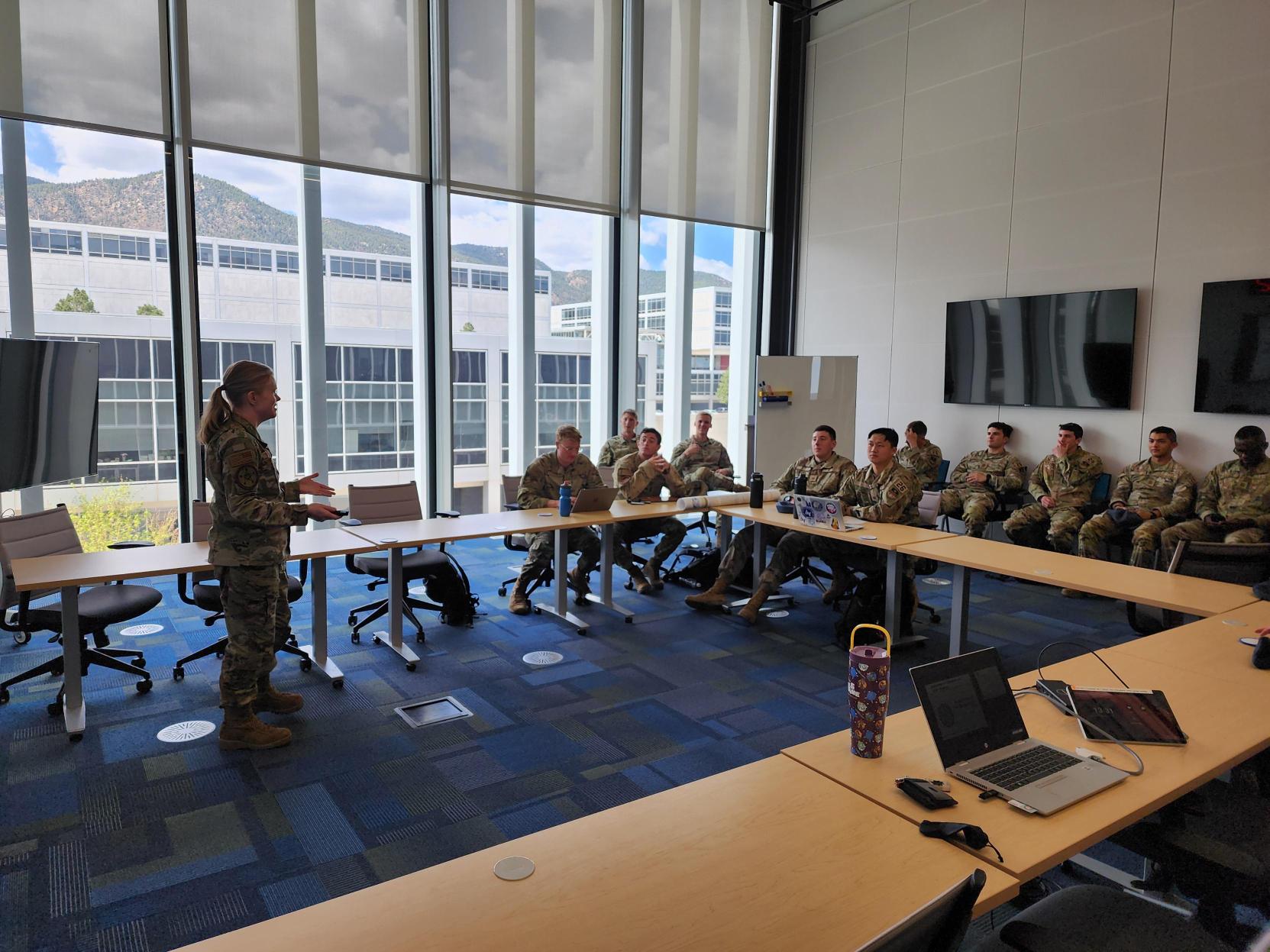
I teach and design courses across the computer science and cyber curriculum, with a focus on programming fundamentals, data structures, algorithms, languages and machines, and senior-level colloquia. My work sits at the intersection of computer science education, cyber operations, and applied machine learning, with an emphasis on preparing future officers to think clearly, build robust systems, and lead in complex technical environments.

Computer Science Education Programming in C & Python Data Structures & Algorithms Cyber Operations AI & Machine Learning

Teaching

Conceptual foundations, real-world relevance, and structured support for future officers and technical leaders.

Courses Taught & Directed

CS110 — Introduction to Programming (Python)
Foundations of programming · Problem solving & algorithmic thinking

Introduces core programming constructs and problem-solving skills in Python. Emphasizes clear mental models for variables, control flow, functions, and basic data structures through frequent, low-stakes practice.

CS210 — Programming in C
Course Director · Systems programming & memory

A second course in programming focusing on C, pointers, and memory management. As Course Director, I oversee course structure, assessments, and multi-section coordination to ensure consistent learning outcomes.

CS220 — Data Structures & Systems Programming
Course Director · Core CS sequence

Covers arrays, lists, stacks, queues, trees, hash tables, and related systems concepts. I focus on helping students understand why specific data structures are chosen and how they affect performance and maintainability.

CS380 — Design & Analysis of Algorithms
Incoming Course Director · Complexity & design techniques

Studies classic algorithm design paradigms and complexity analysis. Emphasizes reasoning about tradeoffs and connecting algorithms to cyber and operationally relevant scenarios.

CS426 — Languages & Machines
Compilers & automata theory

Explores models of computation and their role in compilers and language design. Highlights how formal models underpin the tools and languages cadets will encounter in modern software and cyber environments.

CS405 / CyS405 — Computer Science & Cyber Science Colloquium
Senior-level colloquium · Speakers & professional development

Colloquium series designed to broaden cadets’ understanding of computing and cyber careers, ethics, and professional life. See the Colloquium & ACCR section for details.

Teaching Development & Recognition

  • Dean’s Teaching Certificate, United States Air Force Academy
  • Course Design Institute (2025)
  • Mastery of Teaching Certification Community (MTCC), Cohort 8

Teaching Philosophy Highlights

  • Emphasis on conceptual and framework-based learning, not just syntax.
  • Frequent, low-stakes practice and feedback to build confidence and skill over time.
  • Use of real-world and operational examples to reinforce relevance and transfer.
  • Clear structure, expectations, and scaffolding to support all learners.

Colloquium & ACCR

Connecting cadets with the broader computing and cyber community through speakers, research, and collaboration.

CS405 / CyS405 Colloquium

The Computer Science and Cyber Science Colloquium (CS405 / CyS405) brings in guest speakers from across the Department of Defense, industry, government, and academia to broaden cadets’ perspectives on technical careers, leadership, and professional life.

As the faculty lead, I curate speakers and topics that:

  • Connect classroom concepts to real missions and operational environments
  • Highlight diverse career paths in computing and cyber
  • Address ethics, decision-making, and leadership challenges
  • Provide practical life skills and guidance beyond graduation

Academy Center for Cyberspace Research (ACCR)

As Director of the Academy Center for Cyberspace Research, I coordinate cyberspace-related research across the Academy, connecting cadets and faculty with external partners and opportunities.

ACCR supports work in:

  • Cyber operations and network defense
  • AI/ML and data analysis for cyber and aerospace domains
  • Human–Machine Teaming and decision support

My role includes managing research collaborations and CRADAs, supporting cadet and faculty projects, facilitating summer research placements, and integrating research back into the classroom and colloquium.

Research

Applied machine learning, aerospace and cyber data, and computer science education.

My research interests lie at the intersection of machine learning, aerospace systems, cyber operations, and computer science education. I am particularly interested in how we can use data and AI techniques to support operational decision making, and how we can design learning experiences that produce adaptive, resilient technical leaders.

AI & Machine Learning Aerospace Data Cyber Operations CS Education Human–Machine Teaming

Selected Publications

  • Bolton, S. et al. “ADS-B classification using multivariate LSTM–FCN models.” Journal of Supercomputing, 2023.
  • Bolton, S. et al. “Multi-Sensor Aircraft Classification.” CSCE 2023.
  • Bolton, S. et al. “Aircraft Classification Using Flight Phase Identification.” IEEE NAECON 2023.

Student Research & Mentoring

I mentor cadet research projects that combine programming, data analysis, and cyber or aerospace applications. When possible, I encourage students to present their work at internal symposia or external venues, and to think about how research can inform their future roles as officers.

I am also interested in collaborations related to cyberspace operations, AI/ML in operational contexts, and computing education research.

CV & Materials

Curriculum vitae and selected materials for teaching and collaboration.

Curriculum Vitae

You can download my current CV and teaching-focused CV below. These include a full list of courses taught, academic and military experience, publications, and professional activities.

Contact

For academic collaborations, speaking invitations, or questions about my teaching and research.

The best way to reach me for academic collaborations, speaking opportunities, or questions about my teaching and research is by email. I am especially interested in work related to cyberspace operations and education, applied ML in aerospace or cyber contexts, and computer science education research.

Links